The Centre for Human Rights Education Advice and Assistance (CHREAA): Across Malawi, the poor are routinely jailed for failing to pay fines they cannot afford, while wealthier defendants convicted of the same offences walk free, a groundbreaking legal study has found.
By Centre for Investigative Journalism Malawi (CIJM)
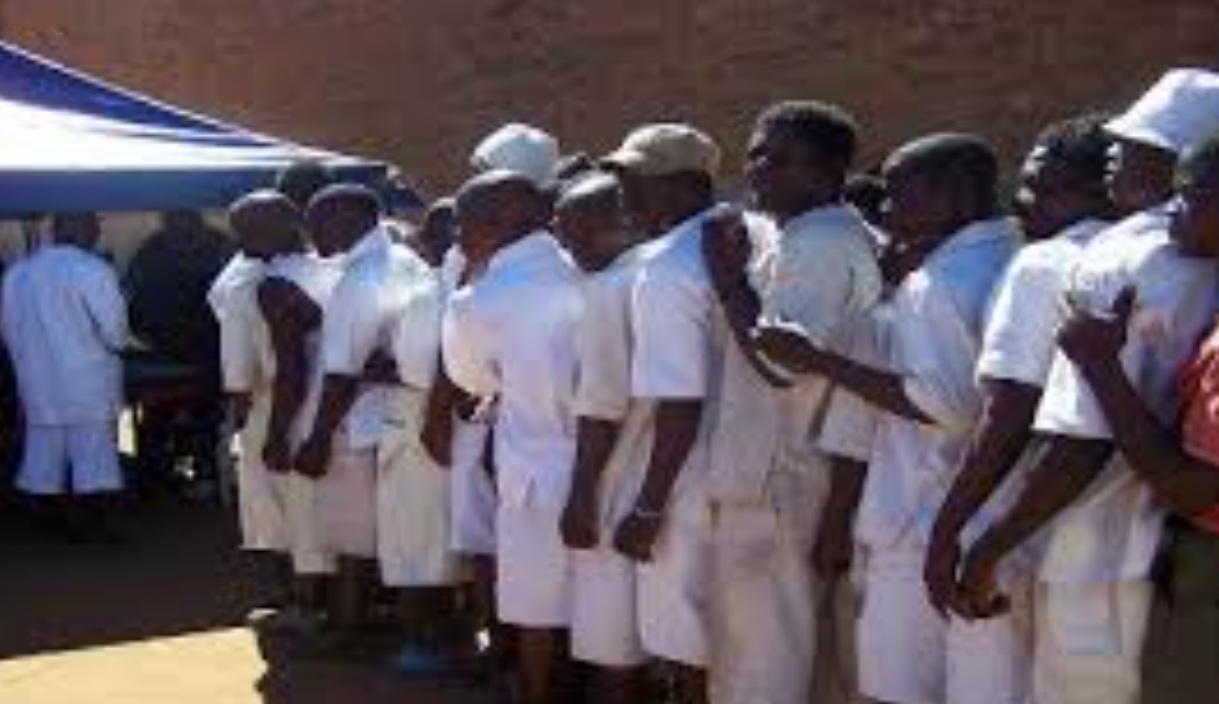
In a dim, overcrowded cell at Lilongwe’s Maula Prison, Elias waits, not for trial, but for someone to pay the fine he cannot. Convicted of petty theft, he was not sentenced to prison directly.
But when he could not pay the court-imposed fine, he was locked away anyway. For the crime of poverty, his sentence continues.
A groundbreaking legal study has found that Elias’s story is far from exceptional.
Across Malawi, the poor are routinely jailed for failing to pay fines they cannot afford, while wealthier defendants convicted of the same offences walk free.
The research, titled Monetary Sanctions and Poverty in Malawi’s Criminal Justice System, by legal scholars Chikondi Mandala and Sarai Chisala-Tempelhoff, was published in the Modern Criminal Law Review and provides the first comprehensive analysis of how Malawi’s fine system interacts with income inequality and potentially violates the country’s Constitution.
Drawing on case law, statutory analysis, prison audits and comparative legal research, the authors show that Malawi’s seemingly neutral monetary sanction laws create unequal outcomes based solely on a person’s financial status.
Read the full article on Study reveals how Malawi’s Courts punish the Poor for being Poor