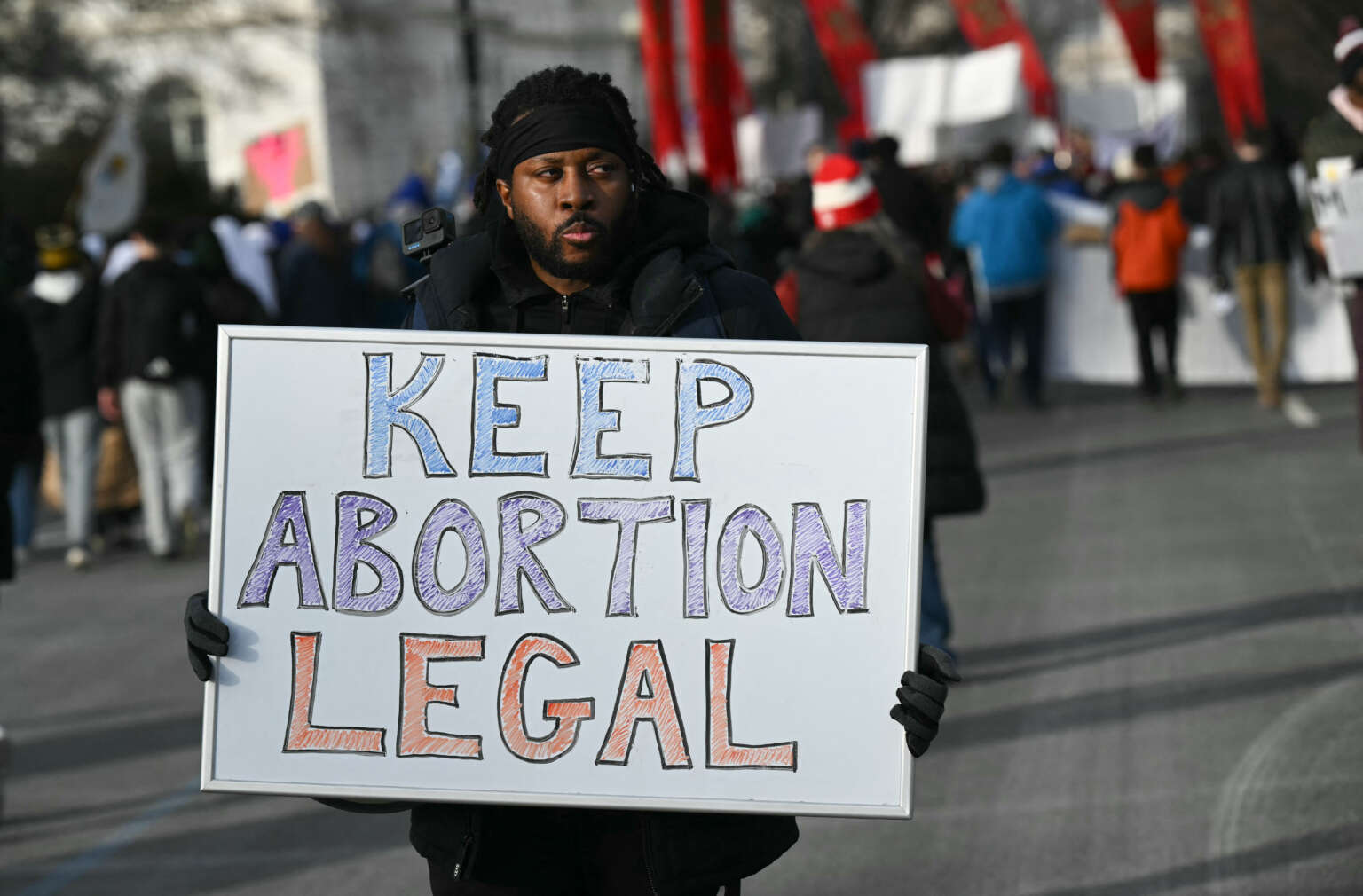
In the aftermath of the Dobbs v. Jackson Women’s Health Organization Supreme Court decision that overturned Roe v. Wade, there has been increased movement toward criminalization of abortion.
The Fifth Circuit Court recently ordered the Food and Drug Administration (FDA) to rescind guidance permitting the use of telemedicine for mifepristone, one of the two medications used for medication abortion. The US Supreme Court on Monday announced a one week stay on the Fifth Circuit’s order, once again allowing the FDA to permit telemedicine abortion. This legal battle is ongoing. Abortion pills remain legal in the United States. It is clear, however, that attempts to eliminate telemedicine abortion are part of a movement to ban and even criminalize abortion at the federal level.
Multiple states have explored legislation that would define abortion as homicide. A new federal bill calls for people having miscarriages (which often occur on the toilet) to use “catch kits” to prevent water contamination, with criminal penalties for failure to do so. Arrest cases where people have been accused of self-managing abortions seem to pop up on national news outlets every few weeks.
The “criminalization of pregnancy” is a legal phenomenon where, but for the fact of a person’s pregnancy, there would be no crime. Despite the recent uptick in interest, pregnancy criminalization is not new — it was alive and well even when Roe was in place. In some states, like Alabama, pregnancy-related arrests have become widespread, formalized, and routine. The criminalization of abortion is only one example of pregnancy criminalization. There are others. For example, testing positive for a drug is not generally considered a crime, except maybe when the person is pregnant. Rejecting a course of medical treatment is generally considered a fundamental constitutional right, not a crime, unless the person is pregnant. Harming yourself is generally not considered a crime, unless, sometimes, when you are pregnant.