Southern Africa Litigation Centre (SALC) and Organisation for Promoting Human Rights : By forcing the poor out of public view, the council is creating a cruel illusion of order for wealthy residents and investors while leaving the underlying causes of suffering unresolved.
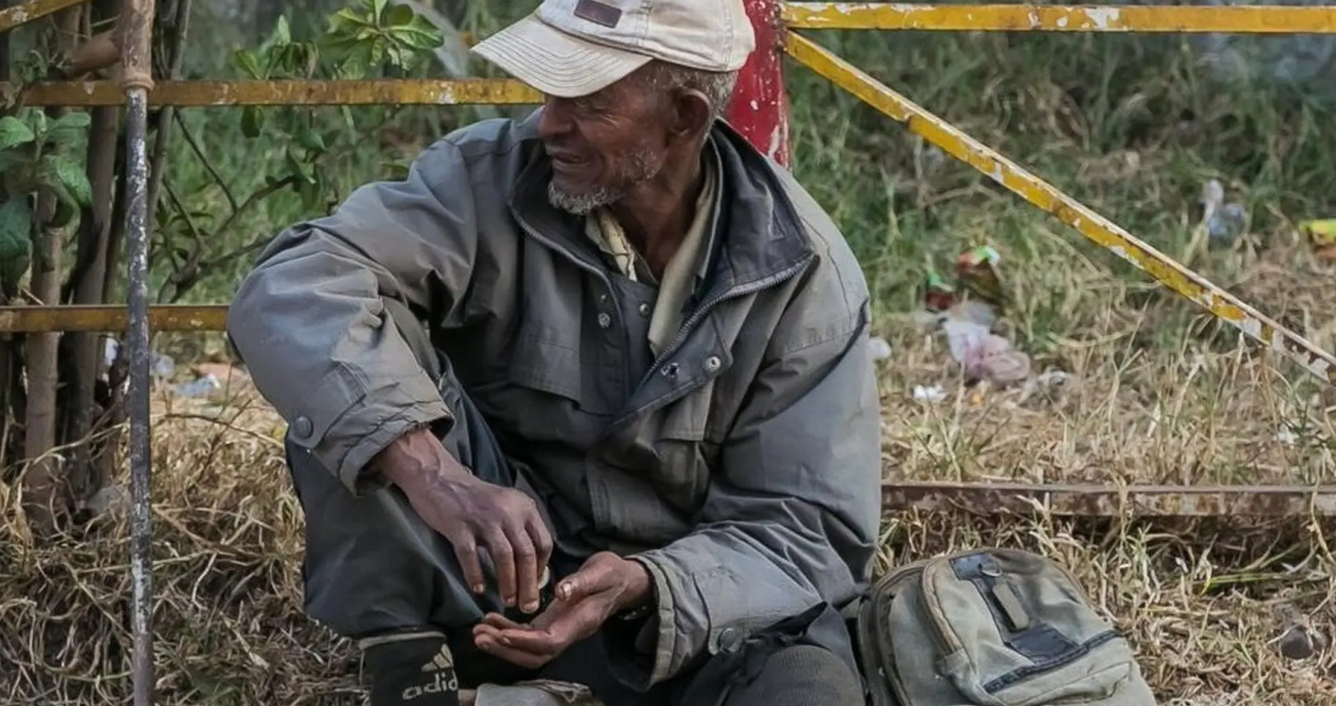
Kinondoni Municipal Council’s on May 28, 2026, through its mayor, Mr. Songoro Hamis Mnyonge, ordered to forcibly remove people who beg from the streets of Kinondoni, this is part of a growing wave of municipal crackdowns against the city’s most vulnerable residents. The order should spark a fierce debate over human dignity, colonial-era laws, and the true meaning of urban progress.
While officials defend the move as a necessary step for public safety and urban order, the policy is a cruel attempt to prioritise urban aesthetics over human lives, effectively treating poverty as a crime.
Kinondoni is not alone in this approach; the neighbouring Ilala District has enacted similar by-laws targeting those experiencing poverty. These measures are often remnants of colonial systems designed to control and punish Africans in urban spaces.
By forcing the poor out of public view, the council is creating a cruel illusion of order for wealthy residents and investors while leaving the underlying causes of suffering unresolved. “Poverty is not a crime,” says the Campaign to Decriminalise Poverty and Status, asserting that those struggling to survive deserve protection rather than harassment.
Read the full article on Criminalising survival: The human cost of Kinondoni’s anti-begging crackdown