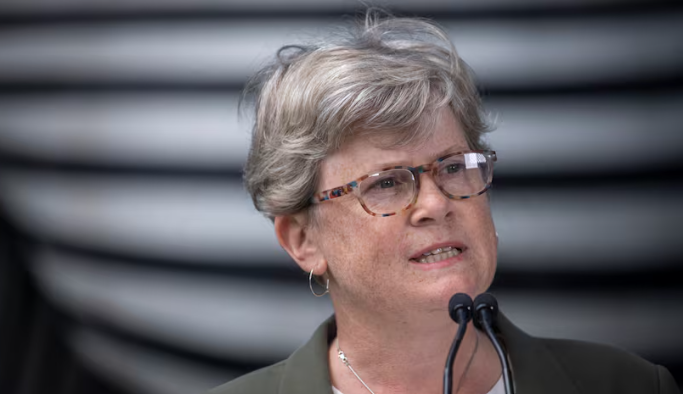
British Columbia, Canada will not be continuing its drug decriminalization project, Health Minister Josie Osborne announced in Victoria Wednesday.
The three-year pilot project, which allowed people to be in possession of small amounts of illicit drugs, began on Jan. 31, 2023, and will expire at the end of this month.
The pilot project was in response to B.C.’s toxic drug crisis, which has claimed thousands of lives since a public health emergency was declared in 2016. Politicians and advocates have argued that decriminalizing drug use removes the associated stigma, treats the crisis as a health issue rather than a criminal one, and makes it more likely for people to seek help.
But, Osborne said the pilot project “hasn’t delivered the results that we hoped for.”
“At the end of the three-year pilot, it is difficult, if not even possible, to attribute certain changes [in the number of people accessing care] directly to decriminalization,” the minister said.
The project was part of a pilot by the federal government, which granted B.C. an exemption from the Controlled Drugs and Substances Act (CDSA) on May 31, 2022. Under the exemption, people aged 18 and over have been allowed to possess up to 2.5 grams of cocaine (crack and powder), methamphetamine, MDMA and opioids (including heroin, fentanyl and morphine).
Not evidence-informed, prof. says
Kora DeBeck, a professor in the School of Public Policy at Burnaby’s Simon Fraser University, said she’s “very disappointed” in the province’s decision to end the drug decriminalization pilot project.
“I felt that really the overall announcement was, in a large way, a move away from evidence-informed policy and the reality and challenges that we have with the toxic drug crisis,” DeBeck said.
“What I heard is we’re really moving towards policing, and I think we’re still not addressing what’s actually driving overdose deaths and public disorder, which is a very toxic, unregulated drug supply, and a lack of housing and a lack of alternatives for people to go.
Read the full article on B.C. won’t extend its drug decriminalization project, health minister announce.