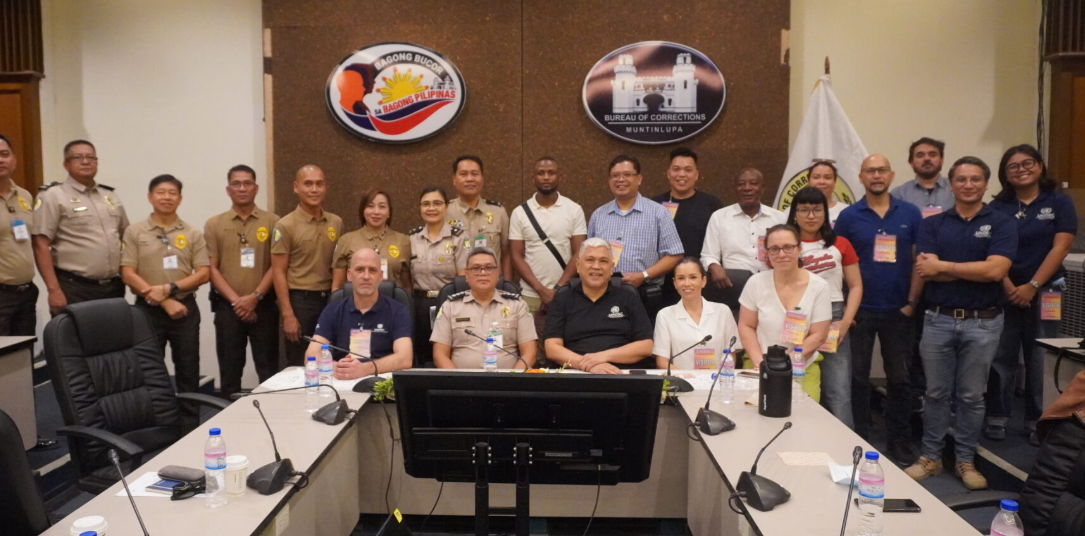
The Fines and Fees Justice Center (FFJC): In January, the United Nations Office of Drugs and Crime (UNODC) sponsored the Philippines’ Second National Decongestion Summit in Manila to generate concrete plans to address the severe overcrowding of the country’s jails and prisons as the Philippines re-writes its criminal code for the first time in 100 years. As one of the ten criminal justice experts from around the world invited by UNODC, I was honored to present lessons learned from FFJC’s work advancing fines and fees reform in the United States, and advise on necessary changes to their criminal code and practice.
Throughout the Summit, I also had the opportunity to speak with legislators, community stake-holders, and other experts to expand my understanding of the problems faced by the Philippines and explore potential local solutions. What I saw is something that those of us working at FFJC to end onerous fines and fees in the United States have long known: that reform is vitally necessary and that policy experts and advocates must work in partnership with practitioners and people with lived experience to drive effective durable reform.
To be sure, fines and fees reform in the Philippines is desperately needed. An estimated third of the people incarcerated in the Philippines are there for ordinance violations and unpaid fines. Overcrowding in the Philippines is rampant, and dangerous. On average, jails and prisons are at about 300% capacity.
During the visit, UNODC brought me and the other international guests for a first-hand look at this overcrowding; we visited the prison infirmary where dozens of emaciated elderly men laid in beds wearing oxygen masks. A white board listing how many people incarcerated at the prison had various diseases, and showed that 34 people in the prison had Tuberculosis. Families must bear the cost of their incarcerated loved one’s medical treatment.