Legal experts, business leaders and Pacific advocates are questioning whether a proposed law will improve safety or end up targeting rough sleepers.
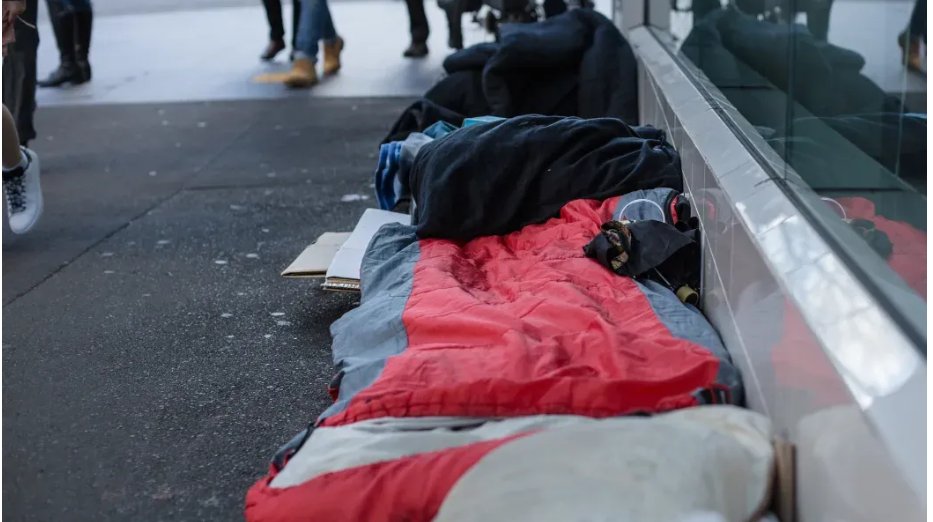
A proposed law giving police wider powers to move on people in public spaces is facing growing scrutiny, with Pacific advocates and legal experts warning it could punish poverty instead of solving it.
The Summary Offences (Move-on Orders) Amendment Bill passed its first reading in May and would allow police to move on people begging, sleeping rough or blocking shop entrances.
Public submissions close on 2 July. But critics say the law raises more questions than answers about who it will target and whether it is needed at all.
Kris Gledhill, a law professor at Auckland University of Technology, says existing laws already give police powers to deal with disorderly behaviour in public spaces.
Writing in The Conversation, Gledhill also points to inconsistencies in the bill, including exemptions for charity fundraising and political campaigning while still capturing some forms of begging.
That means a person sitting outside a shop asking for money could be moved on, while someone in the same spot collecting donations or handing out political flyers may not be.
“The question is whether this is genuinely about filling a gap in the law, or whether it is simply playing politics at the expense of some of society’s most marginalised people,” Gledhill writes.
The bill follows a survey of central Auckland businesses in October 2025, which found 91 per cent said rough sleeping and begging were affecting operations.
Heart of the City chief executive Viv Beck told RNZ that while housing and mental health support are essential, there also needs to be action on behaviour affecting public spaces.
Read the full article on Move-on powers under fire as Pasifika warn of ‘criminalising poverty’