
Gender and the prison system
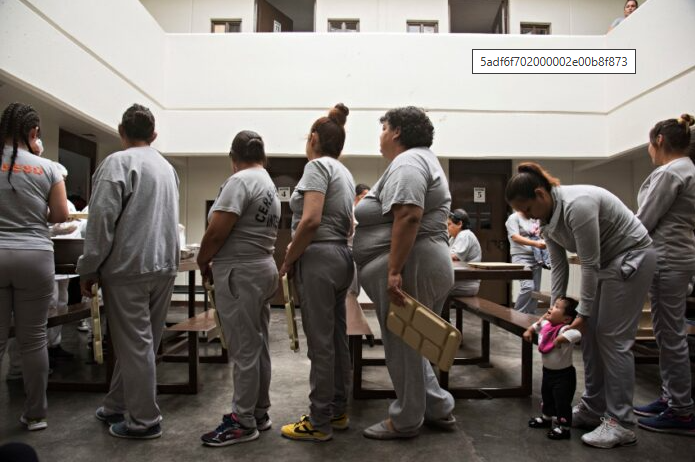
Today, roughly 15,261 women are incarcerated in Mexico — only about 6.1% of the total prison population. Yet María described a striking double standard: outside men’s prisons, long lines of visitors — mothers, sisters, grandmothers, brothers — wait with oversized stuffed animals and gifts. By contrast, the visiting areas of women’s prisons are nearly deserted. Many incarcerated women go years without a single visit.
Families often frame men’s crimes with sympathy or excuses, while women are scorned and abandoned. It’s a stark illustration of the patriarchal norms and gender biases that continue to shape life — and punishment — in Mexico.
Why women end up behind bars
In Mexico, theft is the leading cause of female incarceration, followed by kidnapping, homicide and drug-related crimes. But as Sotres points out, many of these cases are not as clear-cut as they seem. Often, they are crimes of survival — acts of self-protection or desperation — and the data support her observations.
Most incarcerated women come from backgrounds marked by poverty, limited education and social exclusion. Many carry histories of gender-based violence — physical, emotional or sexual — frequently at the hands of partners or family members. These experiences don’t just precede their time in prison. They often play a direct role in the very crimes for which they are convicted.
Read the full article: Mujeres encarceladas: Mexico’s women behind bars