At the core of any democracy lies a delicate balance: the responsibility of the state to ensure security and the equally important duty to protect basic freedoms, the right to speak, organise and take part in public life. A recent decision by a Delhi court on 24 March 2026 brings this tension into sharp focus.
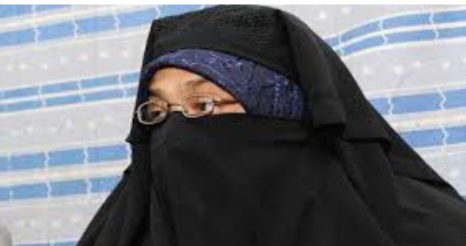
Aasiya Andrabi, founder of Dukhtaran-e-Millat, was sentenced to life imprisonment under the Unlawful Activities (Prevention) Act (UAPA), while her associates, Sofi Fehmeeda and Nahida Nasreen, were each sentenced to 30 years in prison.
This judgment comes after nearly eight years of detention since their arrest in 2018, raising difficult but necessary questions. Is the UAPA being used solely to address genuine security concerns, or has it also become a tool to curb dissent, particularly the voices of women who organise, speak and advocate for what they see as their legitimate political rights, including self-determination?
Aasiya Andrabi is not an anonymous figure. Educated in biochemistry and Islamic studies, she founded Dukhtaran-e-Millat in 1987 as a platform for women. The organisation conducted study circles, supported widows and orphans affected by prolonged conflict and created space for women to come together, learn and speak.
Read the full article on UAPA and Criminalization of Women’s Political Expression in Kashmir