
From IDPC: Twenty-one countries in the [Asia Pacific] region operate either state-run compulsory detention and rehabilitation facilities for people who use drugs or similar facilities. These are a form of confinement where those accused of, or known to be using drugs, are involuntarily admitted for detoxification and “treatment”, often without...
USA: New Mexico signs groundbreaking Fee Elimination Bill into Law

From Fines & Fees Justice Center: SANTA FE, NM – Last night, Governor Michelle Lujan Grisham signed HB 139, which eliminates the post-adjudication and bench warrant fees that have recently become the subject of a national movement to end the criminalization of poverty. The new law, sponsored by Representative Micaela Lara Cadena...
Draft French law increasing penalties for ‘squatting’ denounced by UN Special Rapporteurs

(30 March 2023) The UN Special Rapporteur on extreme poverty and human rights, Olivier De Schutter, and the UN Special Rapporteur on the right to adequate housing, Balakrishnan Rajagopal, have in a letter to the French Government expressed their concern about a draft law increasing penalties for unlawfully occupying housing...
Will predictive systems profile you as a criminal?

Fair Trials: Police forces and criminal justice authorities across Europe are using data, algorithms and artificial intelligence (AI) to ‘predict’ if certain people are at ‘risk’ of committing crime or likely to commit crimes in future, and whether and where crime will occur in certain areas in future. Fair Trials...
“Call them crazy”: Criminalisation of activists undermines rule of law in the EU
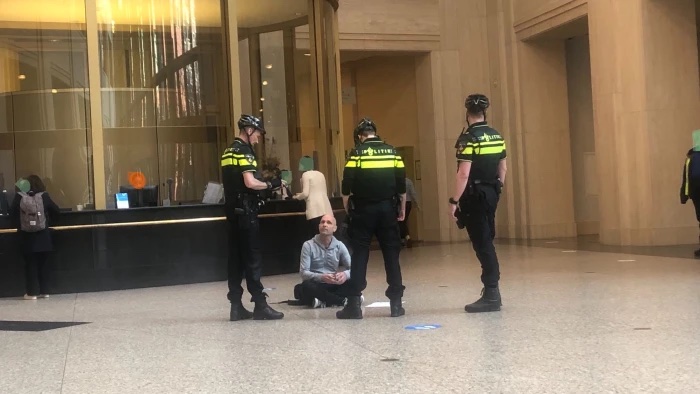
From Fair Trials: The Dutch police continue to disregard the rule of law to criminalise the pacifist activist Frank van der Linde. In recent years, his personal data has been sent to Europol, he has been labelled a terrorist, and police have suggested he be referred to a psychiatric facility....
Is Kenya going down a slippery slope?
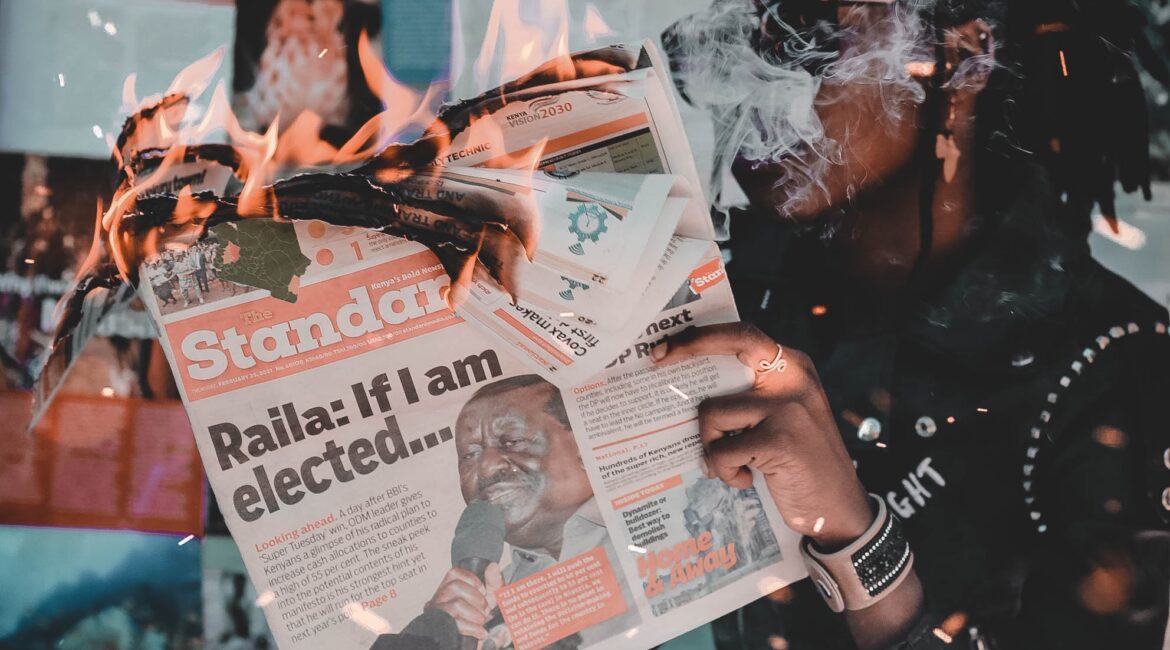
From ICJ-K: On 27 March 2023, the Kenyan Section of the International Commission of Jurists (ICJKenya) continued to monitor and document the activities that unfolded during the Monday Protests. The Protests were the second in the series of protests the Azimio La Umoja Coalition called for. As a body of...
Protect Sex Worker’s Rights
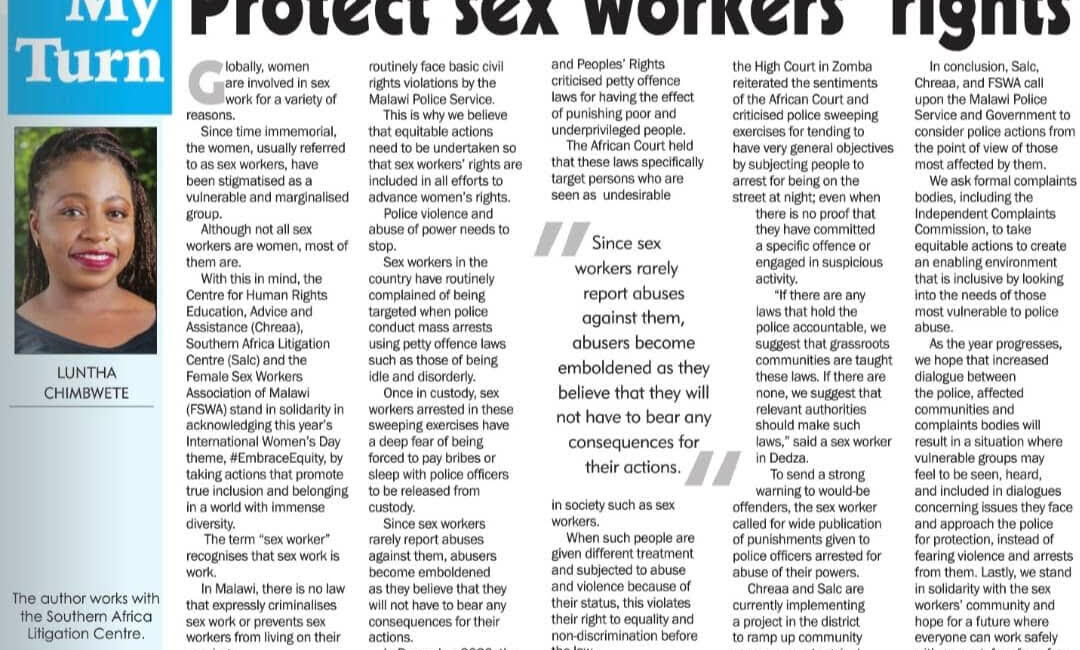
SALC, CHREAA and FSWA call upon the Malawi Police Services and Government to consider police actions from the point of view of those most affected by them. We ask formal complaints bodies, including the Independent Complaints Commission to take equitable actions to create an inclusive enabling environment by looking into...
Uganda: Reject anti-LGBTI law that criminalizes same-sex sexual activity
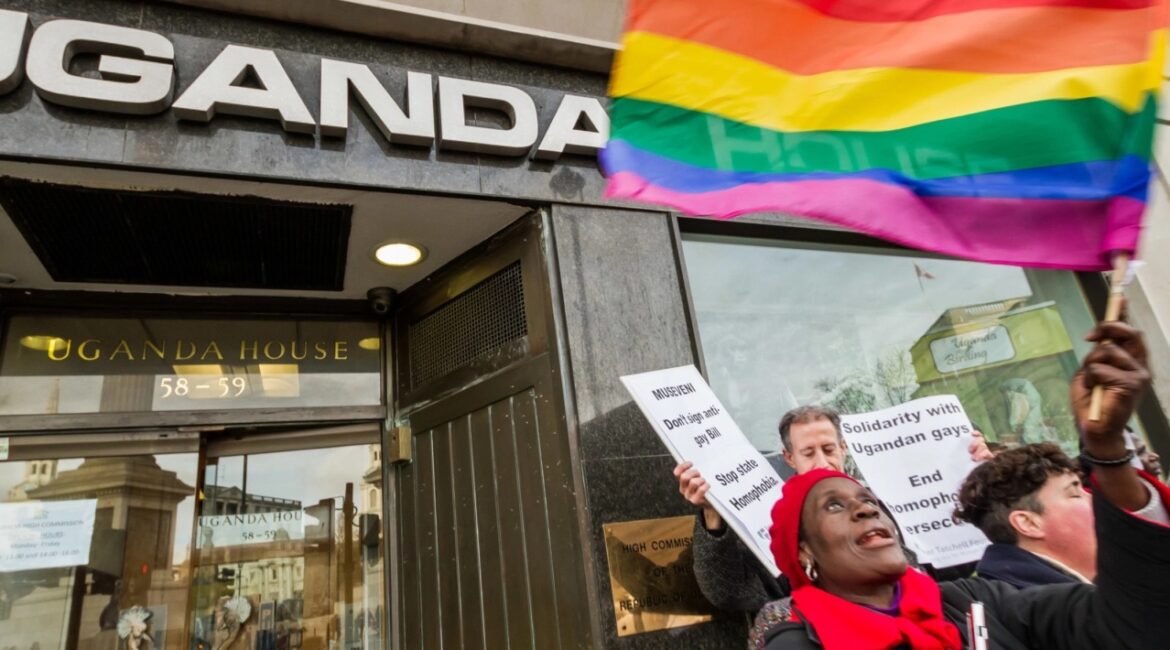
From Amnesty International: During the debate in the Parliament, MPs passed to impose life imprisonment punishment for same sex conduct, and 10 years for attempted same sex conduct. The MPs also passed a death penalty for aggravated homosexuality. It also criminalizes the “promotion” of homosexuality, a provision that encourages homophobia....
Campaign members denounce new law in Guinea-Bissau criminalising children begging
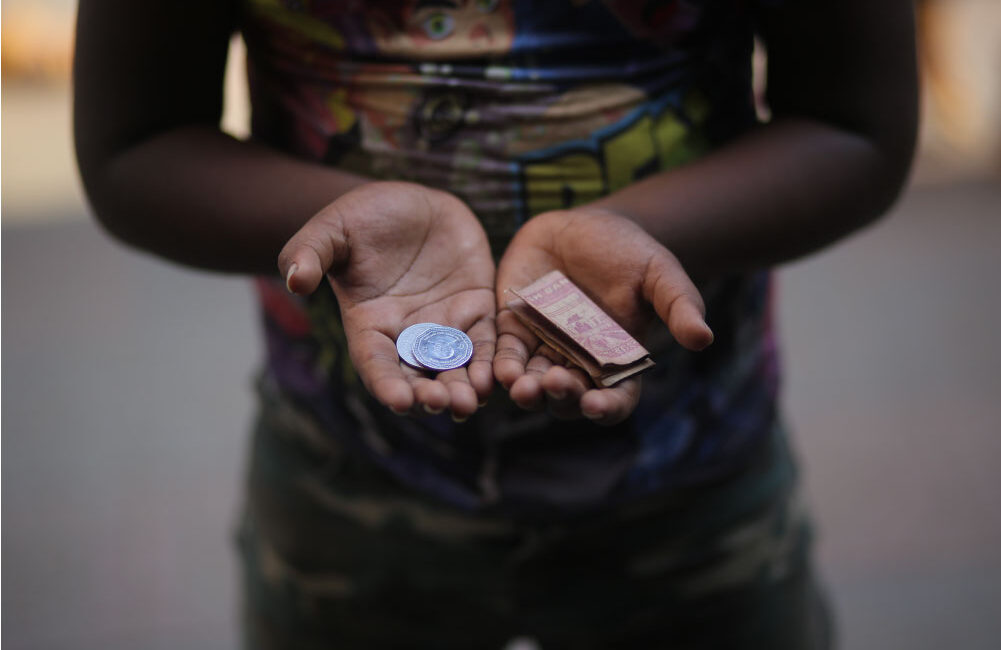
From ACJR & Reformar: It was reported from Guinea Bissau on 20 March 2023 that a new law will prohibit Islamic leaders using children for begging. The President of Guinea-Bissau, Umaro Sissoco Embaló ordered that from Monday, 27 March 2023, child mendicity will be prohibited and that fathers or Koranic teachers...
Webinar: Sub-National Government and the Criminalisation of Poverty & Status: Defining the problem
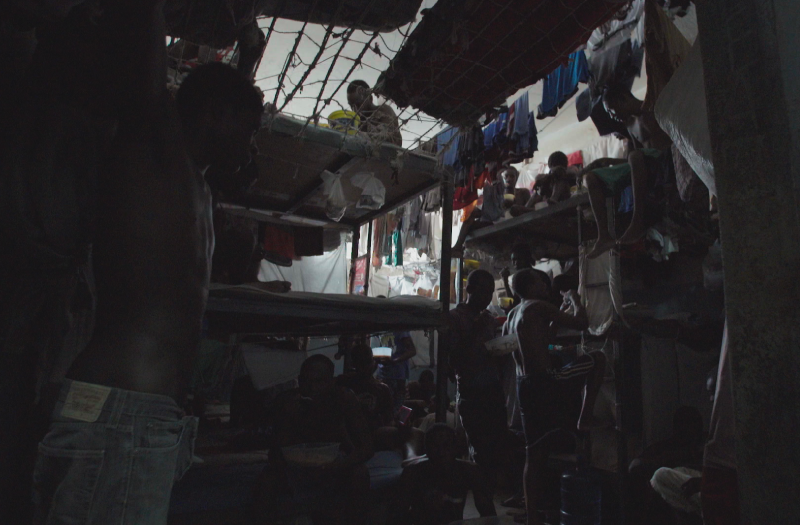
Partners ACJR, Lawyers Alert, CHREAA, LHR and ICJ-K hereby cordially invite you to the first of a series of webinars on sub-national governance and the criminalisation of poverty and status, on the 4th of April 2023 at 10:00 am - 11:30 am (SAST). Register here Overview Sub-national governments exist below...
African Human Rights Yearbook Vol 6 released

The Pretoria University Law Press releases landmark publication of African Union Human Rights Bodies: African Human Rights Yearbook and launches call for contributions to 2023 Yearbook. The first volume of the Yearbook appeared in 2017. In six years, the Yearbook has published a total of 125 articles, thus contributing to the democratisation of...
Third-party intervention filed at the Community Court of Justice of ECOWAS
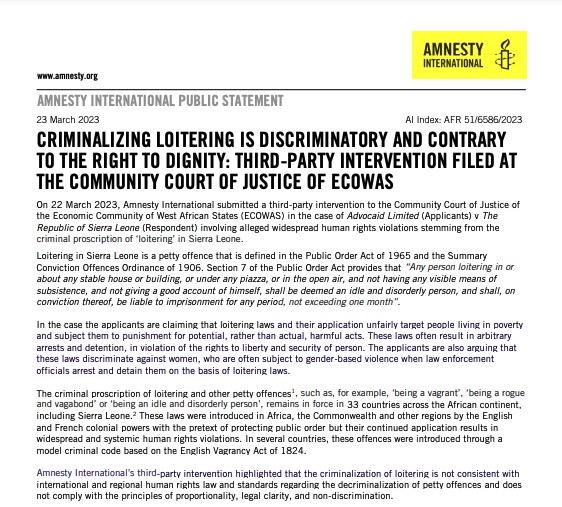
Amnesty International: On 22 March 2023, Amnesty International submitted a third-party intervention to the Community Court of Justice of the Economic Community of West African States (ECOWAS) in the case of Advocaid Limited (Applicants) v The Republic of Sierra Leone (Respondent) involving alleged widespread human rights violations stemming from the...
Defending Waste Pickers’ Livelihoods: Lessons from Litigation in Latin America
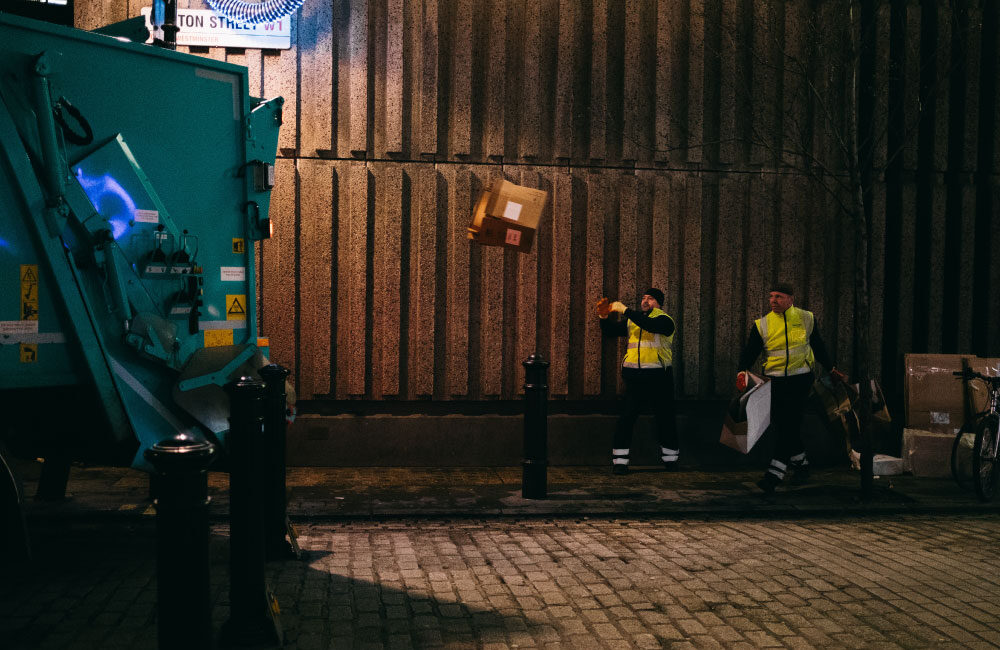
From WIEGO: Waste pickers have won several legal actions in Latin America over the past two decades. This edition of Law & Informality Insights – Defending Waste Pickers’ Livelihoods: Lessons from Litigation in Latin America – reflects on how this was achieved, using three examples that illustrate the types of claims and...
Challenging Criminal Code on Alarming Publications in Botswana

Partner Southern Africa Litigation Centre (SALC) supports Tshepo Junior Sethibe through Obonye Attorneys, represented by Dr Jonas Obonye, who are challenging Section 59(1) of the Botswana Penal Code. The provision in the penal code is phrased in vague and broad terms to the effect of curtailing freedom of expression. It further places...
Kenyan Prisons Target 10 Million Trees in Decongestion Drive to See Petty Offenders Freed
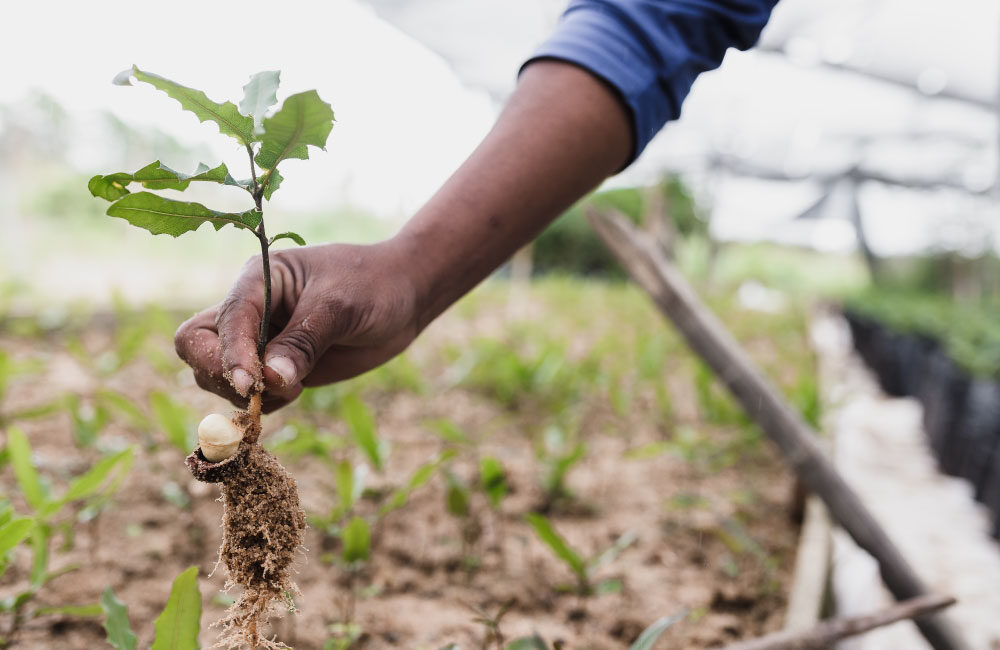
Nyahururu — The State Department for Correctional Services will start engaging petty offenders in tree planting exercises under Community Service Orders (CSO) in a bid to decongest prison facilities. Speaking during the launch of 10 million tree planting campaign at Marmanet Forest, PS Mary Muthoni said the department is collaborating...
Applications open for Waging Justice for Women Fellowships
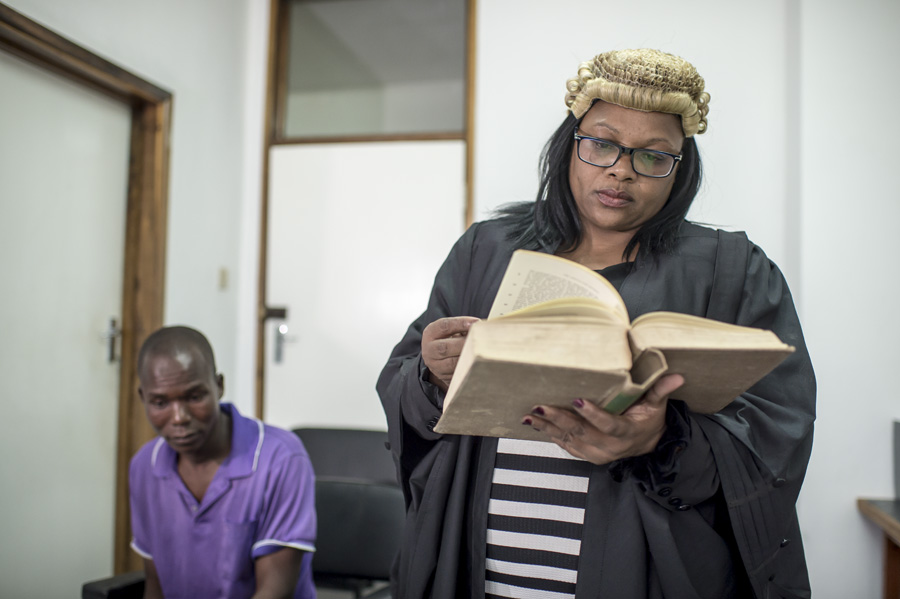
From Clooney's Foundation for Justice: "For too long, the law has served as a tool of oppression against women and girls, who continue to face inequality throughout the world. When so-called justice systems permit child marriage but punish pregnant students, girls cannot access the education they deserve. When governments criminalize...
New Mexico, US approves groundbreaking bill to end costly court fees in legal system
From partner Fines & Fees Justice Center: With clear bipartisan support, the New Mexico Senate approved legislation to eliminate the post-adjudication and bench warrant fees that have recently become the subject of a national movement to end the criminalization of poverty. It will now go to the Governor’s desk for...
Sudden homelessness is Years in the Making
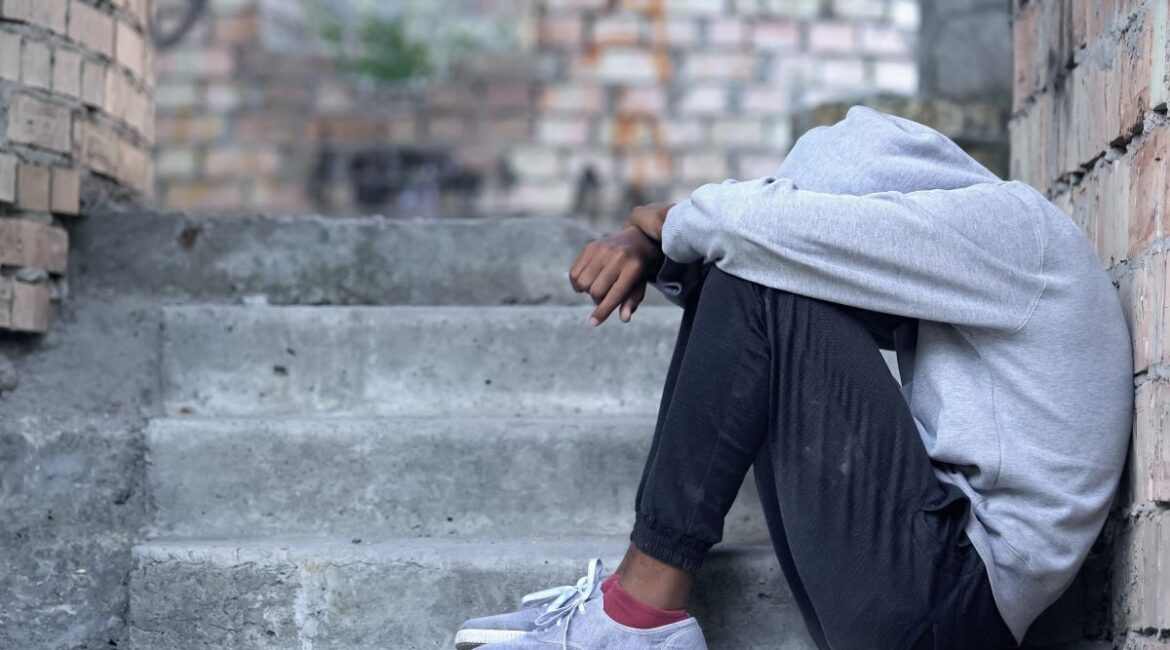
Partner Invisible People gives an overview of how homelessness is years in the making: Homelessness is an event that can happen suddenly. One minute a person is housed. The next minute they are not. While this is true on an individual level, when we zoom out just a bit and...
Promoting Health and Rights: Prioritising People in Detention in the COVID-19 Pandemic and Beyond
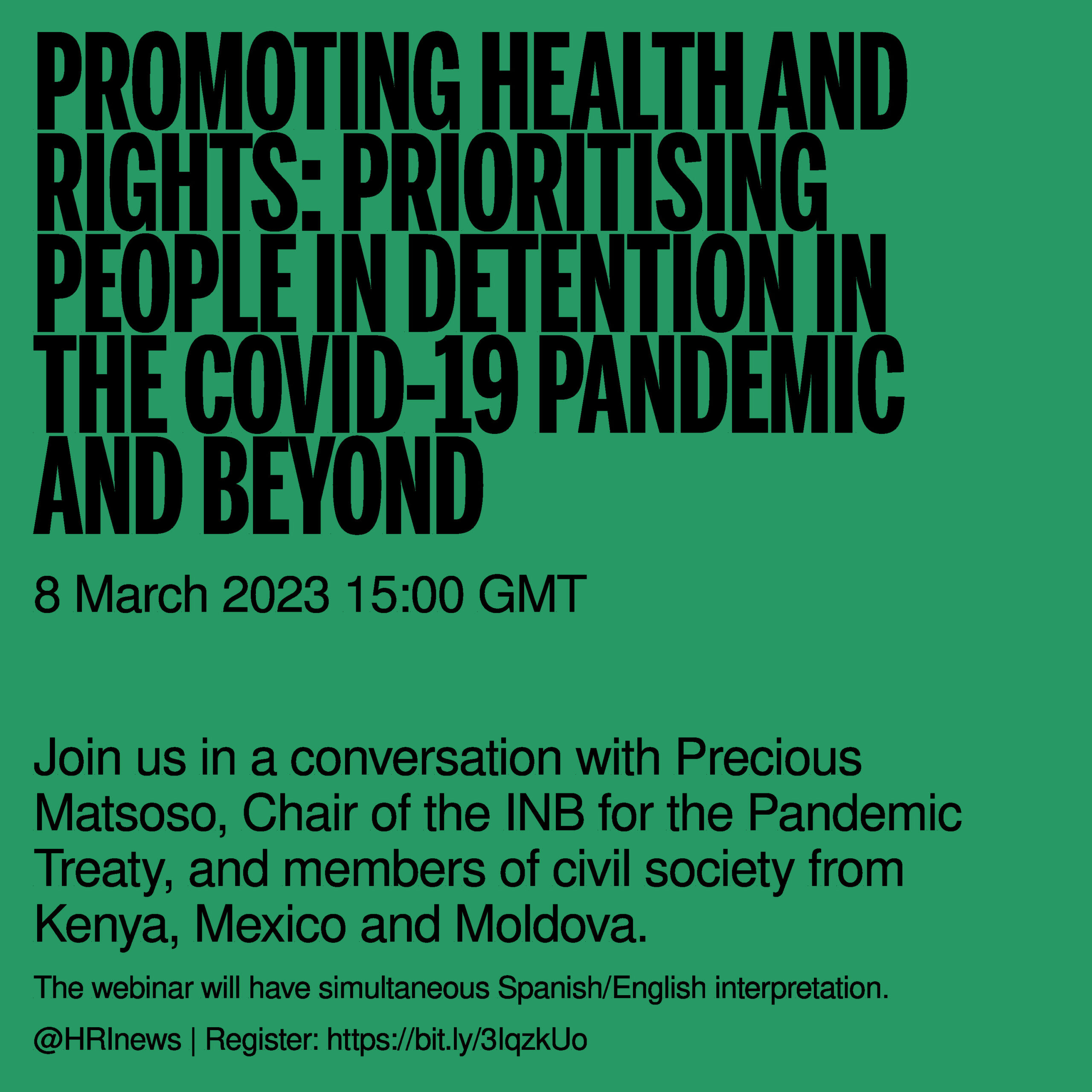
Upcoming online webinar on "Promoting Health and Rights: Prioritising People in Detention in the COVID-19 Pandemic and Beyond" will be held Wednesday 8 March 2023 at 15.00 GMT. This webinar will be an opportunity to share Harm Reduction International's latest report and hear from Precious Matsoso, chair of the INB for...
The nature and extent of institutionalisation of persons with disabilities in Africa: the Kenyan experience.
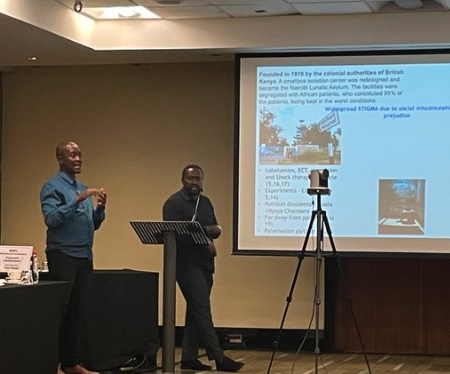
CAPMHK: Globally several attempts to deinstitutionalize mental health and promote self-autonomy, independent and communal living for persons with psychosocial and intellectual disabilities have happened. CAPMHK has been advocating repeals of laws that criminalize mental health enshrined in the penal code, suicide act, and narcotics drugs act these laws have contributed...
“We must decriminalise poverty to achieve equal access to justice”
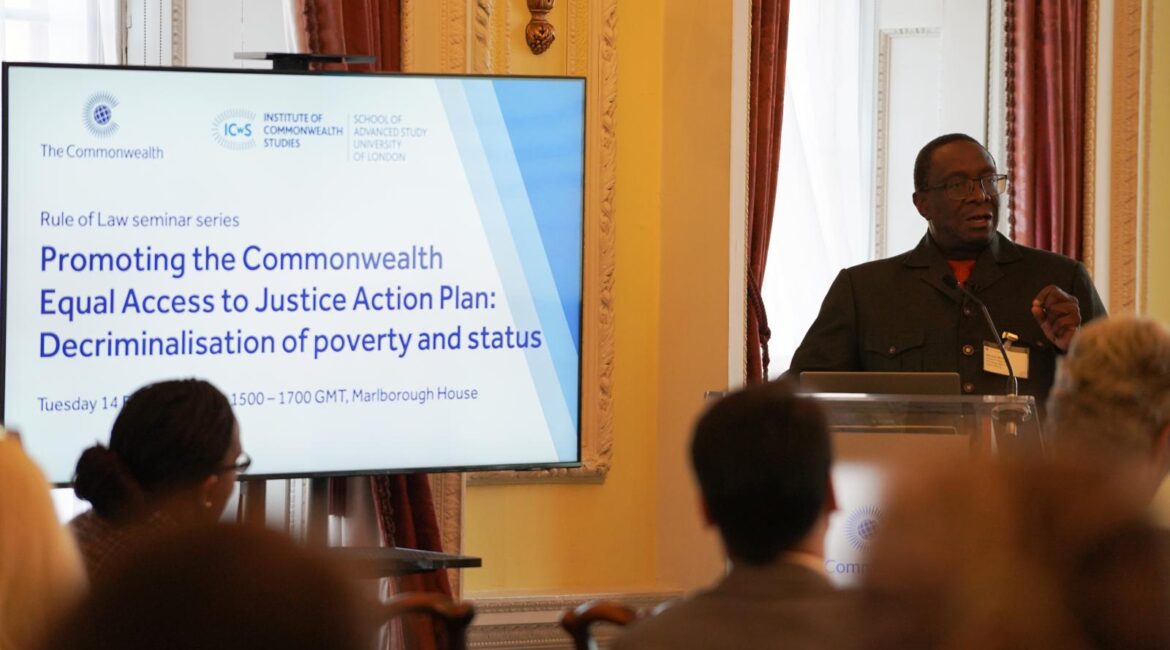
Last week the Commonwealth Secretariat and the Institute of Commonwealth Studies, University of London held a seminar at Marlborough House on the Decriminalisation of Poverty and Status in the Commonwealth. The Seminar, held on 14 February 2023, as part of the flagship Rule of Law Conversation Series, promoted the Commonwealth Equal Access...
Busting eight myths about sex work ahead of deadline for public comments on decriminalisation bill in South Africa
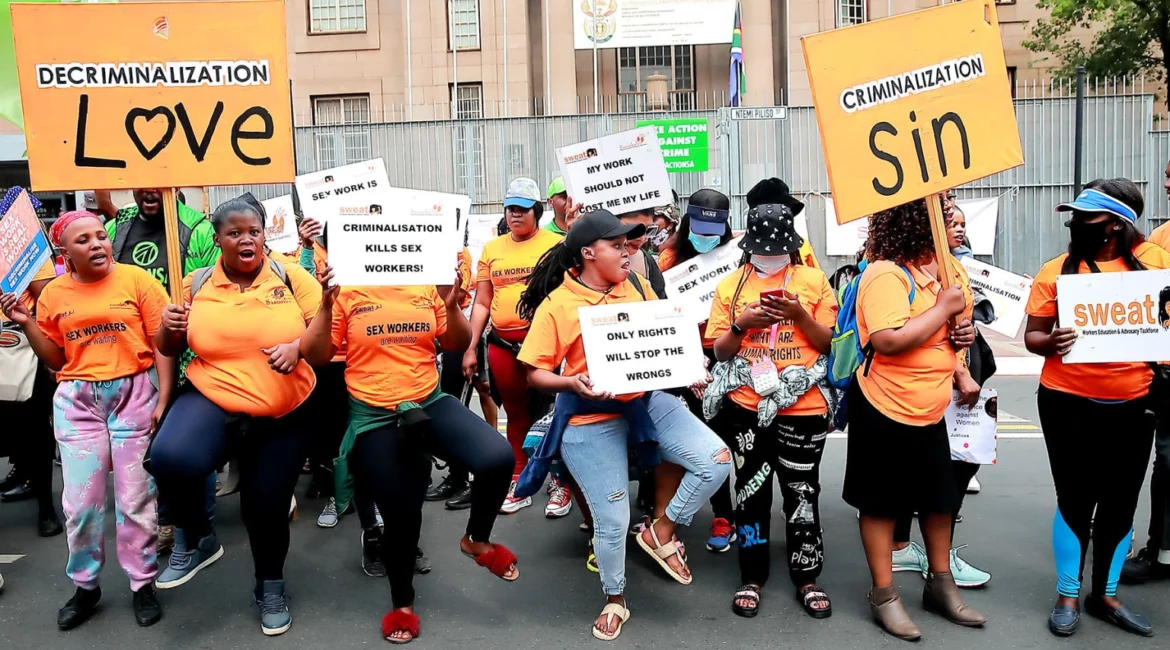
Sonke Gender Justice: As we approach the deadline to comment on the draft Criminal Law (Sexual Offences And Related Matters) Amendment Bill, which will see the buying and selling of sex decriminalised in South Africa, diverse opinions about sex work are appearing in the public space. Read full article: Busting eight...
‘Is poverty criminalized in Peoria? A lawyer provides her take’ – Campaign in WCBU article
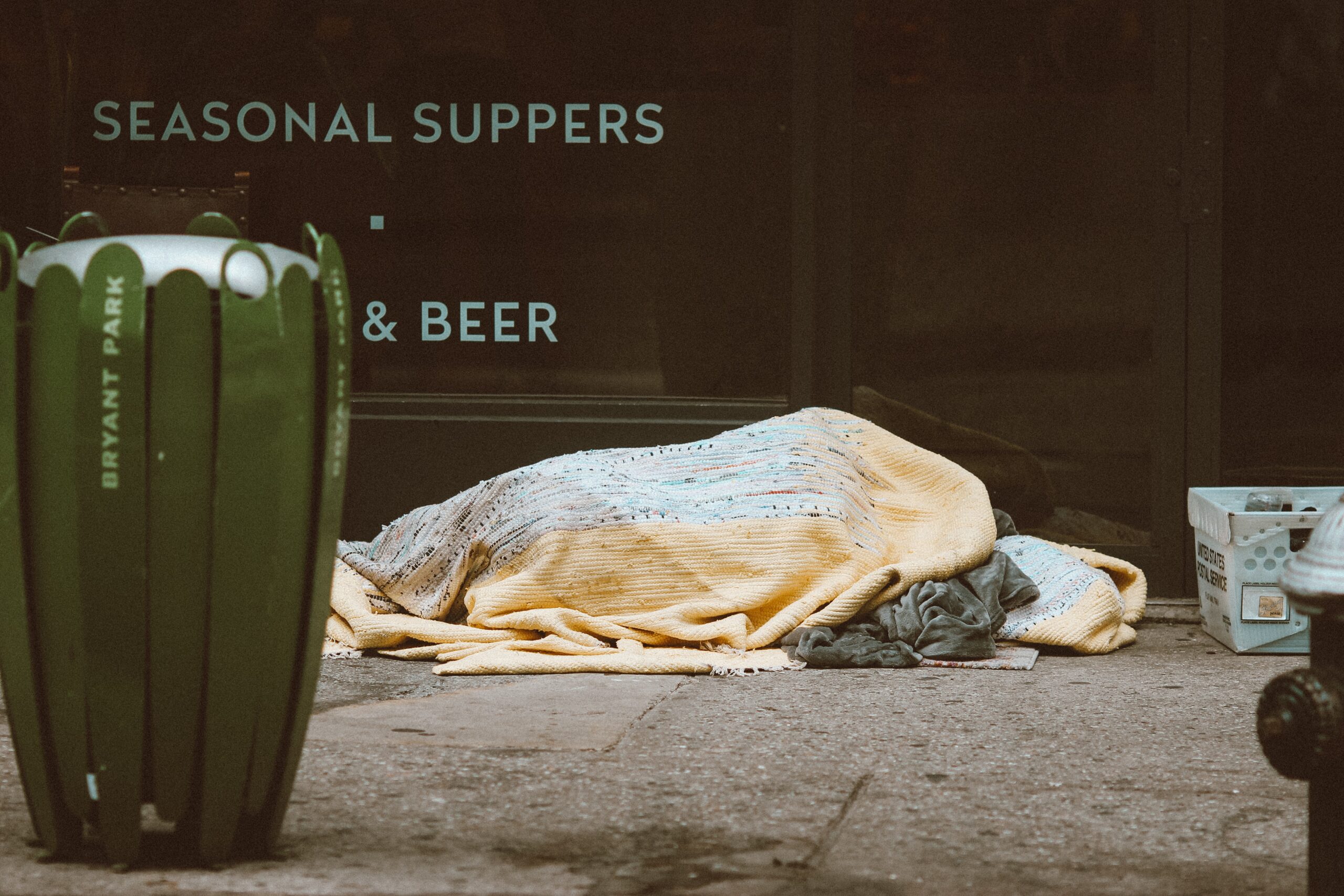
In the WCBU article 'Is poverty criminalized in Peoria? A lawyer provides her take', Alexus McNally, a researcher from campaign partner, The International Legal Foundation, speaks about the work of the Campaign to Decriminalise Poverty and Status. “So, what the campaign seeks to address are issues where individuals are arrested,...
South Africa invites for public comment on decriminalising of sex work
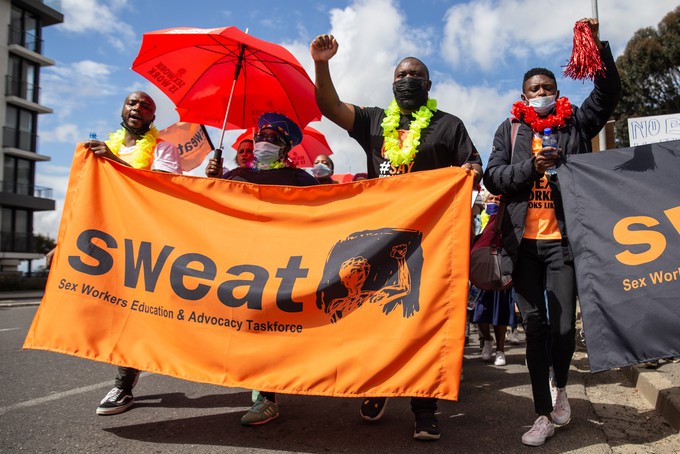
South Africa is poised to become the first African country to decriminalise sex work following the publication of an amendment to the country’s criminal law for public comment. South Africa’s Cabinet has approved the publication of the Criminal Law (Sexual Offences and Related Matters) Amendment Bill, which proposes the decriminalising the...
The Cape Declaration adopted by consensus
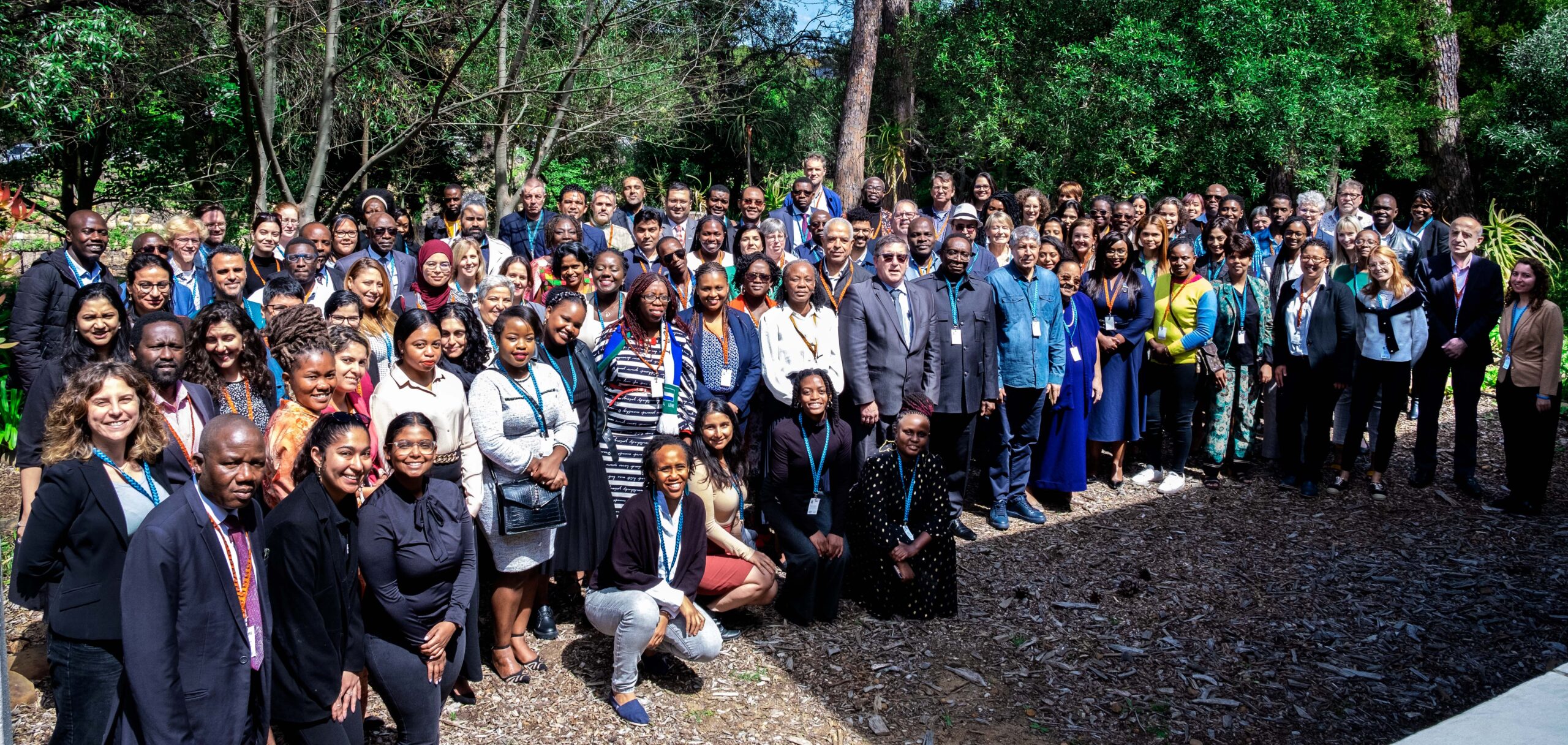
One of the key outcomes of the Stellenbosch Convening, was the adoption by consensus of the Cape Declaration by participants of the Campaign's Annual Convening in Stellenbosch, South Africa in September 2022. Capturing much of the key issues and recommendations from the Convening, the Cape Declaration has already begun to...
Ugandan Constitutional Court declares parts of the ‘Rogue and Vagabond’ Offence unconstitutional
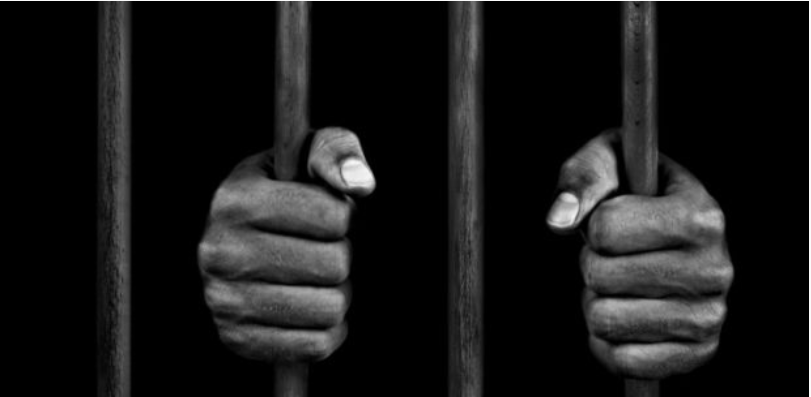
Today, five justices of the Constitutional Court of Uganda (Frederick Egonda-Ntende, Elizabeth Musoke, Christopher Madrama Izama, Monica K Mugenyi, and Christopher Gashirabake JJCC) in a unanimous decision, declared as unconstitutional and therefore null and void sections 168(1)(c) and 168(1)(d) of the Penal Code Act Cap 120. These provisions are parts...
South African Deputy Minister advocates for reform to ease prison overcrowding
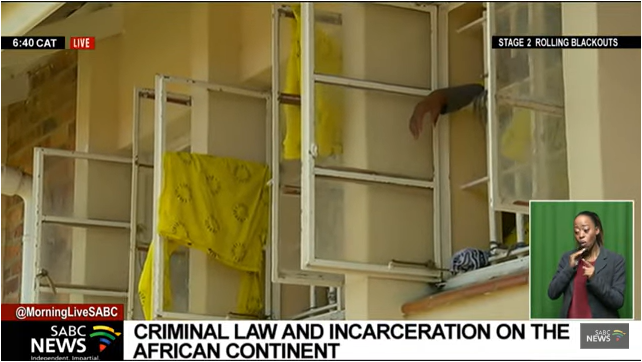
https://www.youtube.com/embed/rKNgujOpr-g South Africa's Deputy Minister of Justice, Hon John Jeffery talks to SABC News in South Africa about criminal law and incarceration on the African continent, and more specifically South Africa. He advocates for the decriminalisation of petty offences as a means to reduce the burden on the prison systems,...
The Djerba Declaration launched at Summit de la Francophonie side-event

On the 19 November 2022, francophone partners hosted a side-event, ‘Decriminalisation of poverty, status and activism: what role for the OIF?’, at the 18th Summit of the Organisation de la Francophonie (OIF) in Djerba, Tunisia, launching a series of campaign advocacy actions targeting the OIF. With 88 member countries and...
Partners submit shadow report on racial injustice in the US
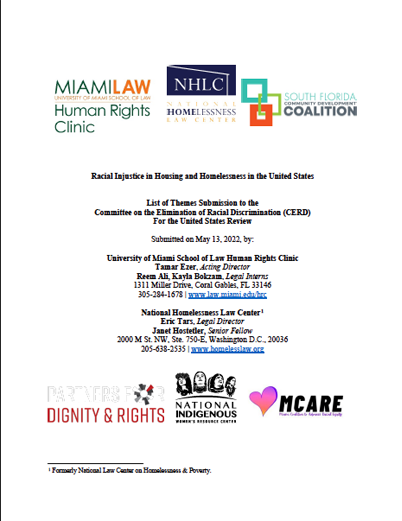
For the U.S. review by the U.N. Committee on the Elimination of Racial Discrimination, the Miami Law Human Rights Clinic, National Homelessness Law Center, and partners submitted a shadow report on racial injustice in homelessness and housing, highlighting the criminalization of homelessness. They further engaged in advocacy with the Committee in Geneva...
‘Petty Offences, Major consequences’ : TelQuel special feature
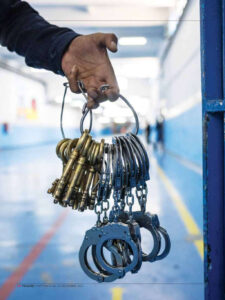
Co-founder of Relais, Youssef Madad is interviewed in TelQuel Feature on ‘Petty Offences, Major Consequences’. In his interview, entitled ‘Neighbourhoods are the right grounds for establishing a post-prison restorative policy’, Youssef proposes positioning reintegration into society at the centre of prison policy. As part of the same feature, Jamila Sayouri,...
Bid to overturn Sierra Leone loitering laws that activists claim ‘criminalise poverty’
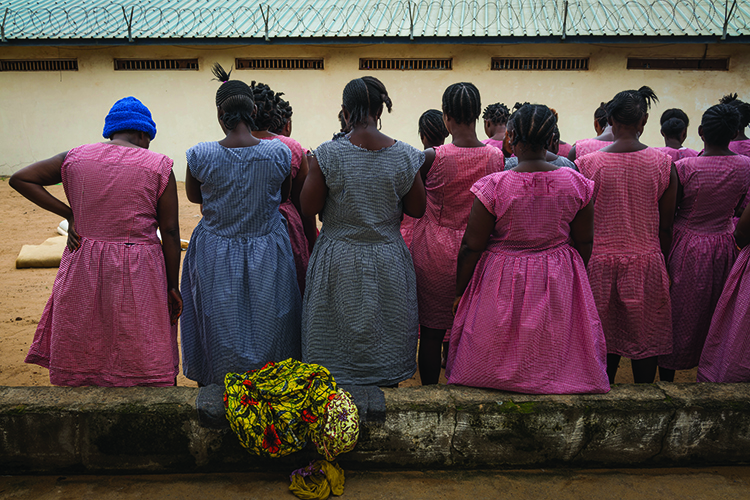
The Guardian: Citing claims of violence and rape by police, lawyers and activists mount legal challenge to laws brought in under British rule A case has been filed against the government of Sierra Leone to overturn the country’s loitering laws, which activists and lawyers claim are discriminatory, and used by police to...
Construction(s) of Female Criminality: Gender, Caste and State Violence

CPAP: The narrative of a criminal woman finds its bearings within the caste system in India. During British colonial rule, the Criminal Tribes Act, 1871 classified several tribes as hereditary, habitual criminals who by nature were predisposed to committing petty offences. Their alleged likelihood to commit crime at any moment...
Abuja High Court denounces violation of Women’s Rights by Law Enforcement Agencies

Lawyers Alert & SALC: On 5 August 2021, the Federal High Court of Nigeria, Abuja Division, per Justice Maha, handed down a groundbreaking decision against law enforcement agencies that violated women’s rights. The Applicants were among 71 women who were arrested at various public spaces in Abuja between 17 and...