Across the world, outdated laws as well as some newer laws are continually used to unfairly target poor and marginalised people because of who they are, rather than what they have done. In parallel, there is an increase in the use of criminal law to suppress activism and quell dissent. This often has a devastating impact on those who are already vulnerable.

In effect, States routinely use the justice system against people for reasons that have little to do with citizen safety, but rather to protect the inherited boundaries of power, wealth, and privilege. This abuse of power has a profound human rights cost, manifesting in discrimination, use of lethal force, torture, excessive imprisonment, inhumane conditions of detention and social, political and economic exclusion.

There is a clear and urgent need to decriminalise laws that treat poverty, status, or activism, as a crime.
The Global Campaign to Decriminalise Poverty and Status is a coalition of organisations from across the world that advocate for the repeal of laws, reform of policies and change in practices, that target people based on poverty, status or for their activism.

Across the world, outdated laws as well as some newer laws are continually used to unfairly target poor and marginalised people because of who they are, rather than what they have done. In parallel, there is an increase in the use of criminal law to suppress activism and quell dissent. This often has a devastating impact on those who are already vulnerable.

In effect, States routinely use the justice system against people for reasons that have little to do with citizen safety, but rather to protect the inherited boundaries of power, wealth, and privilege. This abuse of power has a profound human rights cost, manifesting in discrimination, use of lethal force, torture, excessive imprisonment, inhumane conditions of detention and social, political and economic exclusion.

There is a clear and urgent need to decriminalise laws that treat poverty, status, or activism, as a crime.

The Global Campaign to Decriminalise Poverty and Status is a coalition of organisations from across the world that advocate for the repeal of laws, reform of policies and change in practices, that target people based on poverty, status or for their activism.

themed collections

Over the years, campaign partners have worked collaboratively on specific areas and approaches, such as vagrancy and nuisance-related laws, homelessness, and strategic litigation, compiling collections of resources and strategies that have led to successful law reform. 

recent updates

From the Daily Times, Malawi: Persons with disabilities in Malawi continue to face harsh realities on the streets. This is happening as the Constitutional Court spends eight years on a...
Posted: 10 December, 2025
While fewer women than men are incarcerated, their numbers are rising faster and most often for non-violent offences. More than 733,000 women and girls are held in penal institutions globally, according to...
Posted: 9 December, 2025
In an era when digital infrastructures have a strong hold on everything from civic participation to surveillance, human rights interventions must reckon with cyber politics on a broader spectrum. But...
Posted: 9 December, 2025
Incarceration should be a last resort, yet this broken and brutal system punishes marginalised women, most of whom are inside for non-violent crimes When you imprison a woman, you imprison...
Posted: 9 December, 2025
FIACAT: In September-October 2025, ahead of the AU-EU human rights dialogue on 7 October, twenty civil society experts convened to discuss the current far-reaching and unprecedented changes taking place in...
Posted: 3 December, 2025
Amnesty International: For too long, citizens, especially older women, have been victimized by witchcraft accusations in Ghana. This deeply rooted practice has led to untold suffering, discrimination, and violence. Act...
Posted: 3 December, 2025
From the Daily Times, Malawi: Persons with disabilities in Malawi continue to face harsh realities on the streets. This is happening as the Constitutional Court spends eight years on a...
Posted: 10 December, 2025
While fewer women than men are incarcerated, their numbers are rising faster and most often for non-violent offences. More than 733,000 women and girls are held in penal institutions globally, according to...
Posted: 9 December, 2025
In an era when digital infrastructures have a strong hold on everything from civic participation to surveillance, human rights interventions must reckon with cyber politics on a broader spectrum. But...
Posted: 9 December, 2025

latest resources

This factsheet analyzes the relationship between racial injustice and homelessness in the United States, showing how systemic racism in housing access, wealth accumulation, credit practices, education, healthcare, and employment has ...
Year: 2021
This factsheet explains the human right to affordable housing as an essential component of the right to adequate housing under international human rights law, grounding the definition of “reasonable cost” ...
Year: 2022
This submission is provided to support the Working Group on Arbitrary Detention (WGAD) Study. It examines the relationship between punitive drug policies in the United States (U.S.) and the practice ...
Year: 2020
This report outlines key issues (discrimination, drug-related criminalization, criminal pregnancy, stigmatizations of HIV/AIDS, gender-based violence, lack of access to essential health services) and the resulting rights violations including the rights ...
Year: 2020

upcoming events

9 February, 2026
to 12 February, 2026
The Commonwealth Law Ministers Meeting (CLMM) will be held in Fiji from 9 to 12 February 2026 The meeting will...
14 April, 2026
to 16 April, 2026
In April 2026, Incarceration Nations Network will launch Global Freedom Fellowship Consulting, the world’s first consulting agency of formerly incarcerated people...
25 April, 2026
to 30 April, 2026
The United Nations Congress on Crime Prevention and Criminal Justice is the world’s largest and most diverse gathering of policy-makers,...

the stories

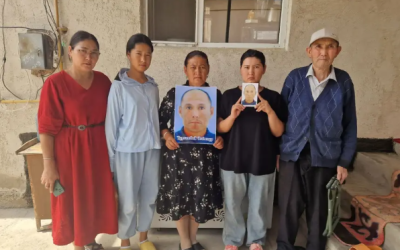
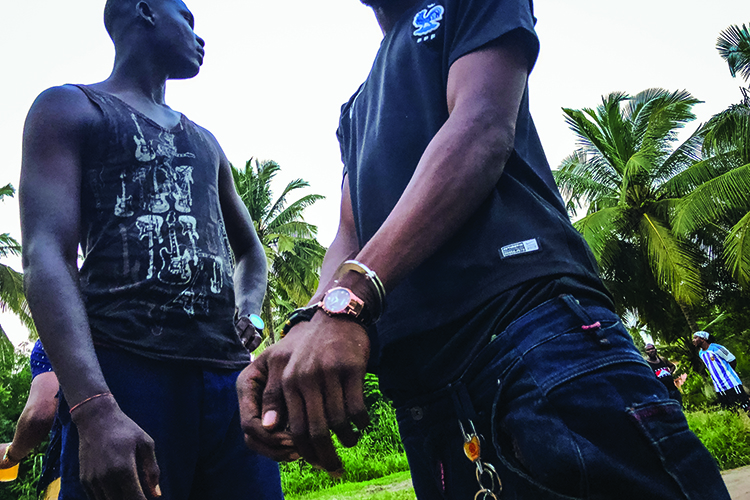
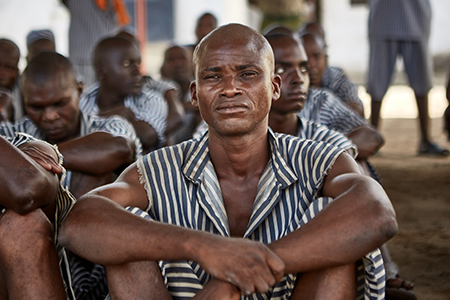
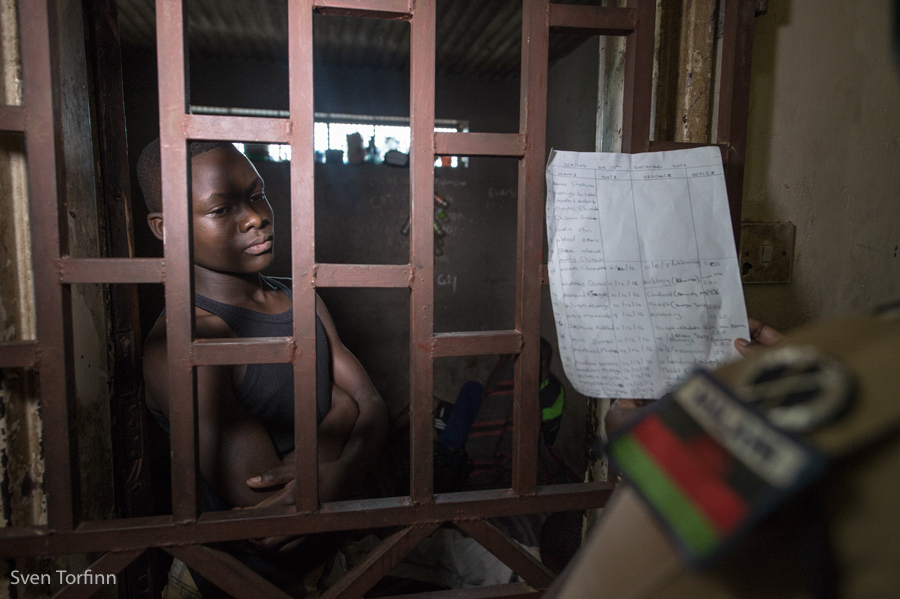
Stories gathered by campaign members and other organisations help expose the havoc that the use and abuse of these laws wreak on the lives of the already vulnerable. The campaign uses these stories to communicate to various stakeholders and advocate for systemic change.

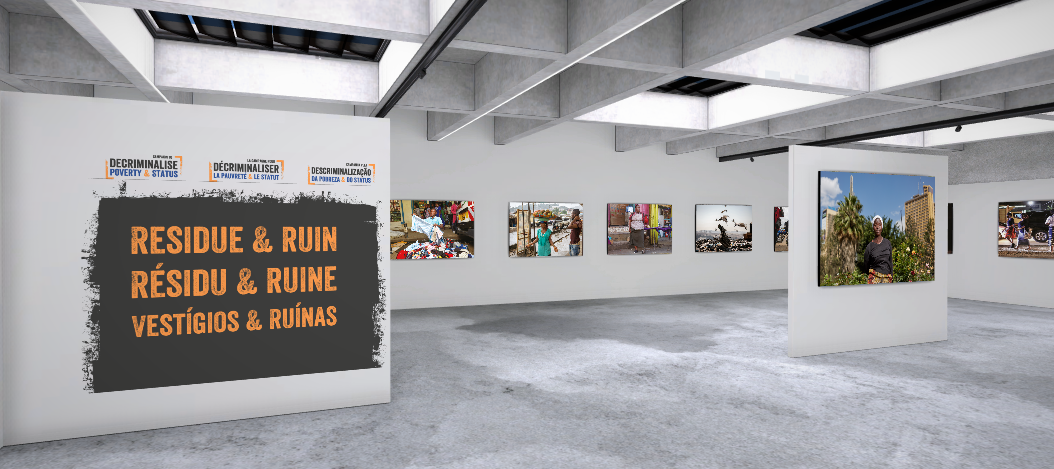
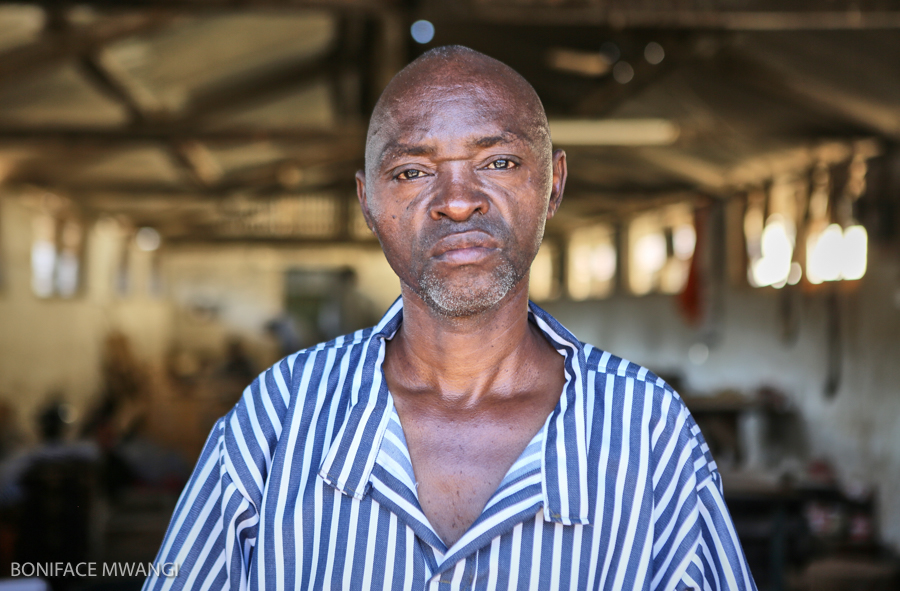
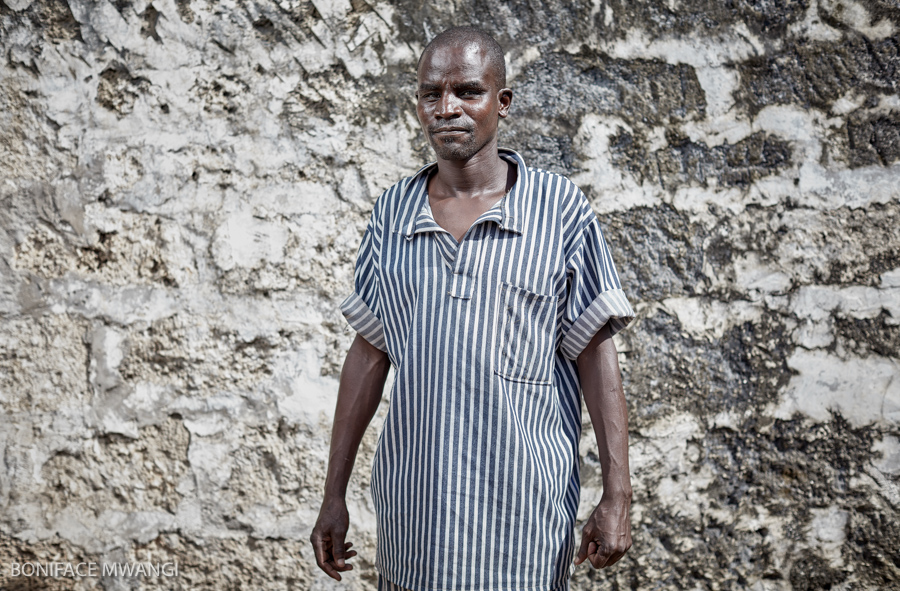
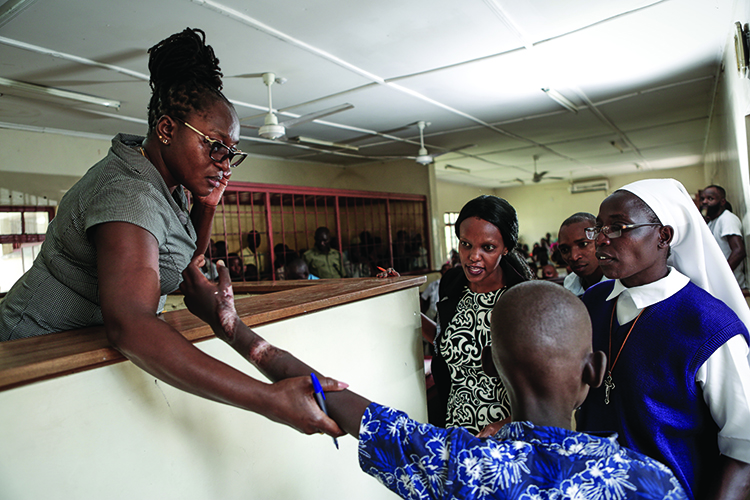
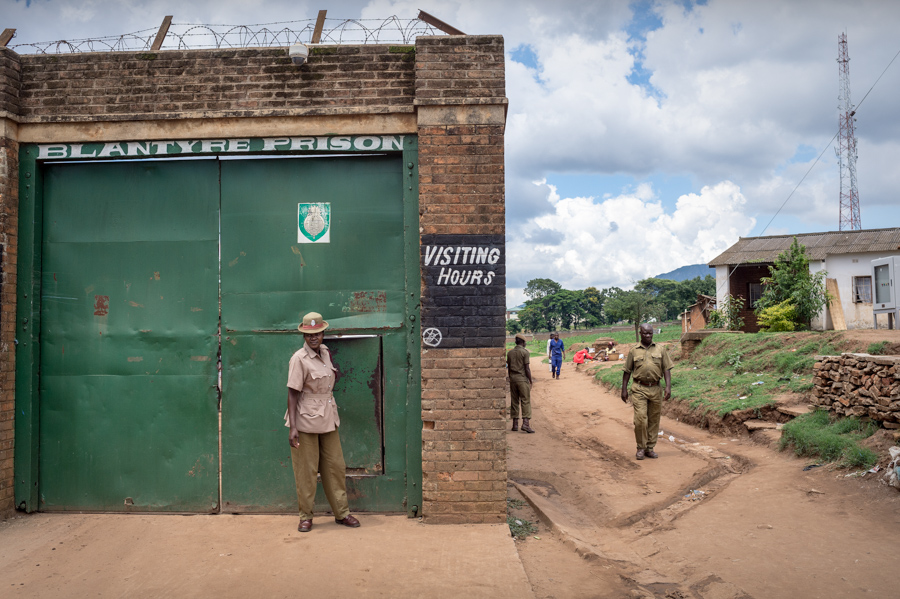
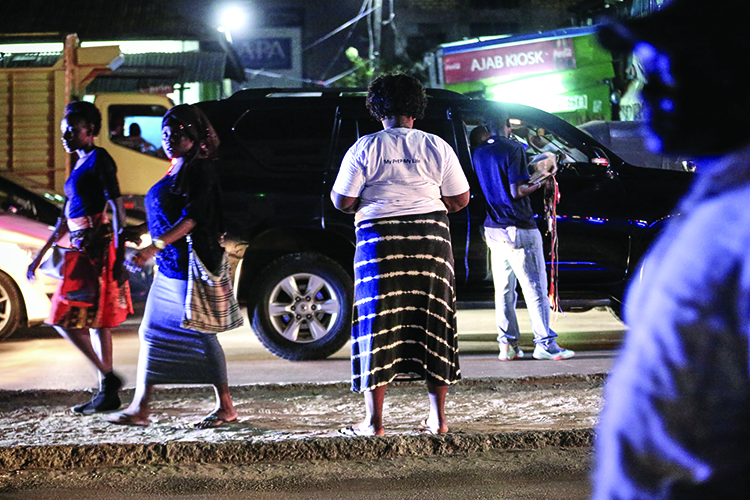
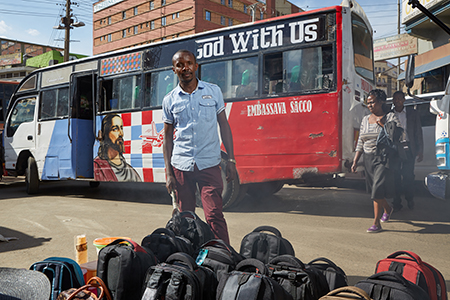
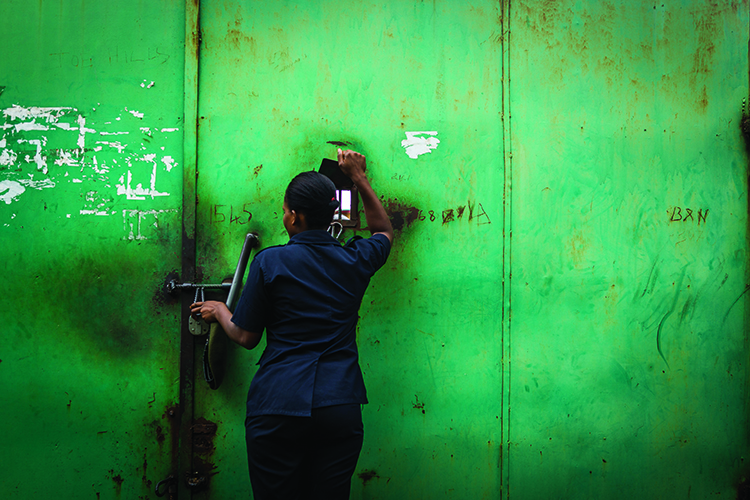
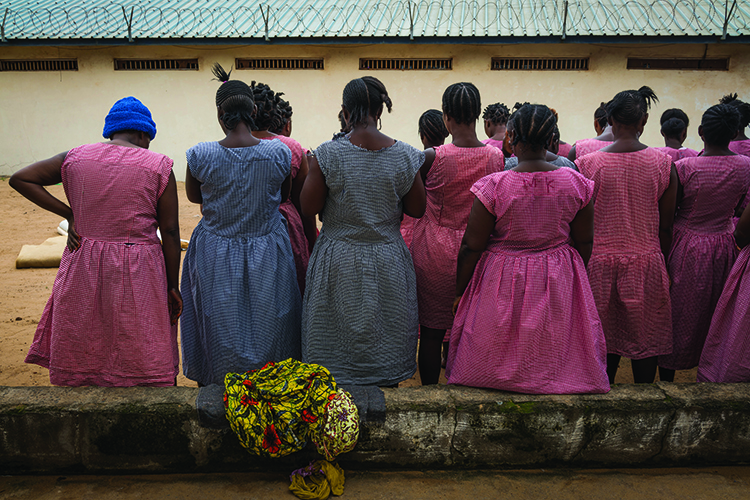
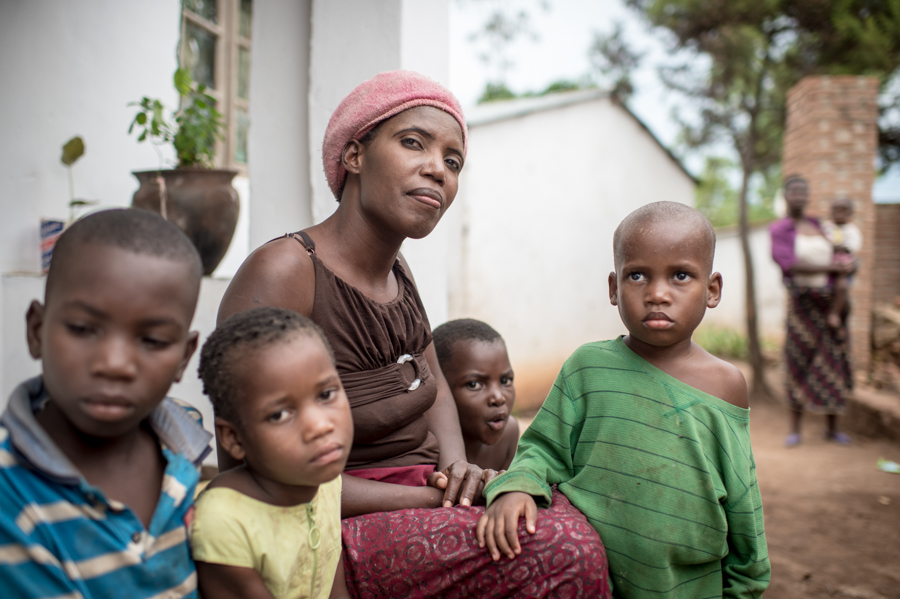
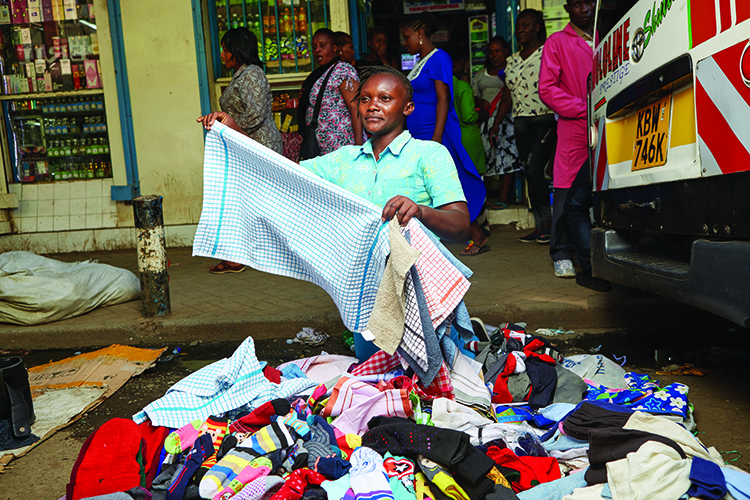
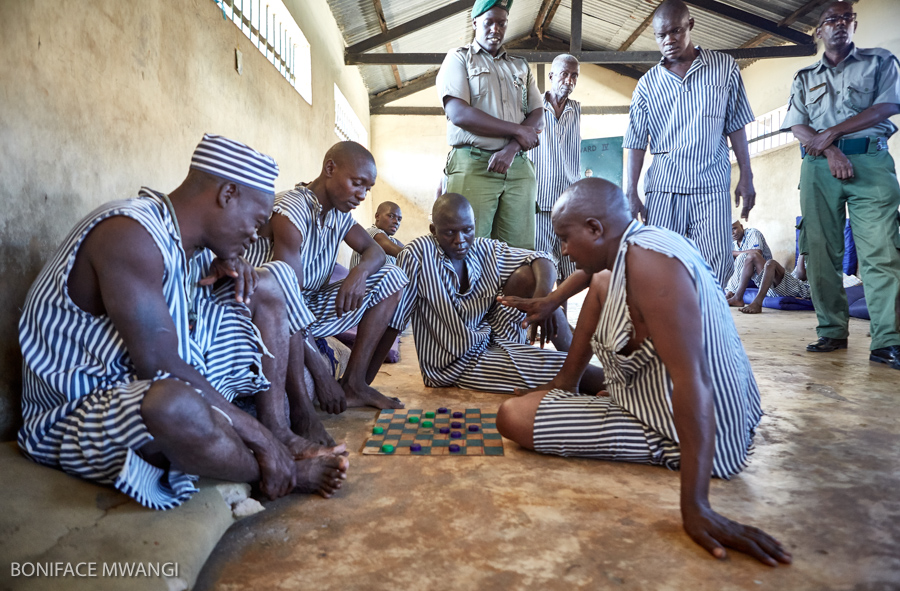
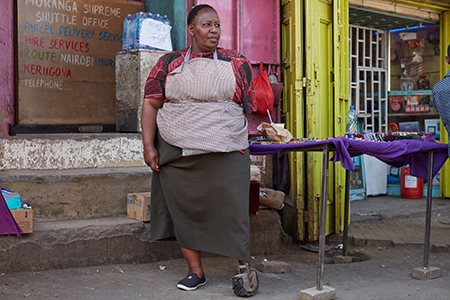
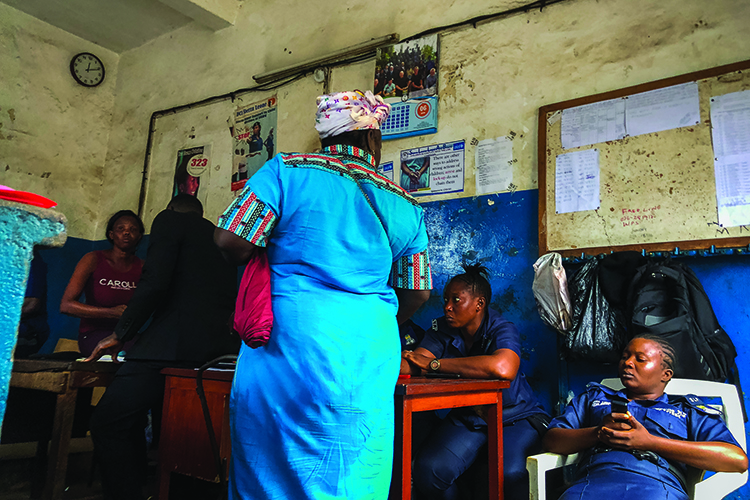
All over the world, criminal justice systems misuse overly broad and discriminatory laws that are rooted in the age of empire to criminalize people  for who they are rather than for what they have done and quell dissent. The ‘Residue & Ruin’ photo exhibition, curated by Luvuyo Equiano Nwayose for the Campaign, highlights the impact these laws have on those who fall victim to their abuse.

All over the world, criminal justice systems misuse overly broad and discriminatory laws that are rooted in the age of empire to criminalize people  for who they are rather than for what they have done and quell dissent. The ‘Residue & Ruin’ photo exhibition, curated by Luvuyo Equiano Nwayose for the Campaign, highlights the impact these laws have on those who fall victim to their abuse.

campaign members

Our coalition members are organisations from across the world, working on improving criminal justice systems to ensure that human rights for respected for all. They work collaboratively through legal reform, litigation, advocacy, policy, capacity building and research to make change happen.

Join our campaign

Support our work: fund our member’s activities and advocate for reform.

Join as an organisation: collaborate with members to collectively tackle issues.

Join as an individual: share your expertise and engage with campaign members.

Follow our work: subscribe to our updates and follow us on social media.

FInal-logo-english-white

The Campaign to Decriminalise Poverty and Status is a coalition of organisations from across the world that advocate for the repeal of laws that target people based on poverty, status or for their activism.

@DecrimPS

#DecrimPoverty   |  #DecrimStatus  |  #DecrimActivism